Should I Charge a Deposit for Hair Appointments? A Booth Renter's Guide
By Laz · October 7, 2026

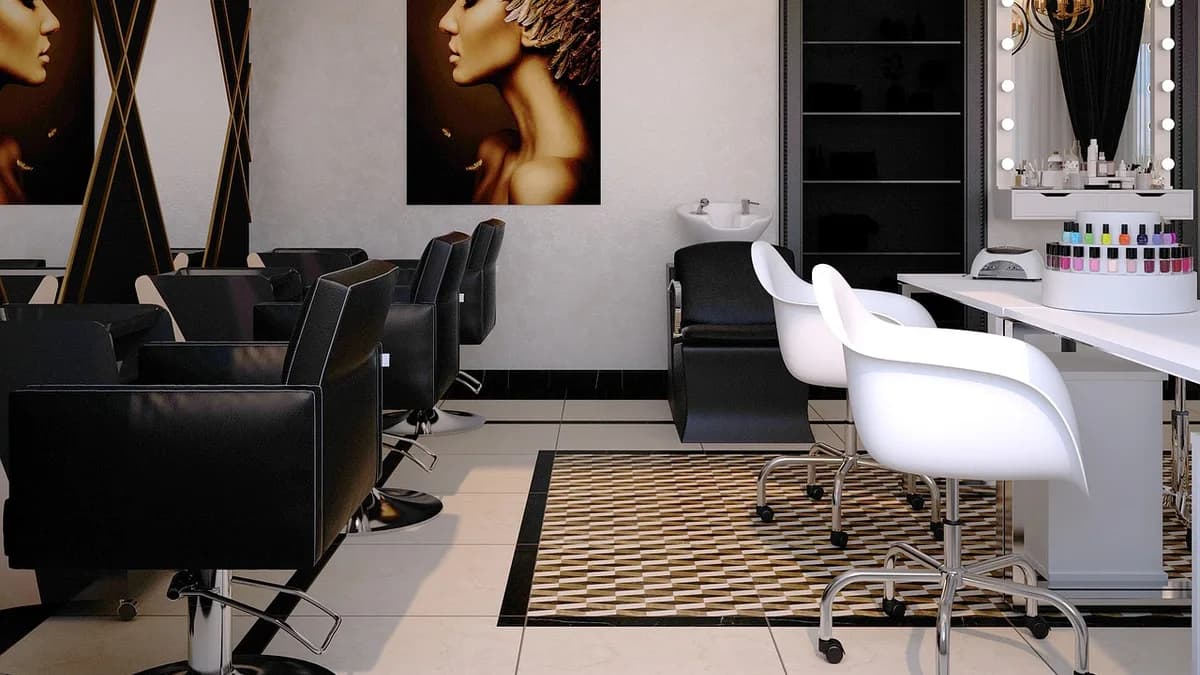
Photo by Pixabay on Pexels
You're a booth renter. Your chair time is your only revenue. When someone no-shows a 3-hour color appointment, that's a $300 hole in your week you can't fill.
A deposit fixes most of that. Not all of it, but most. The industry standard sits between 25% and 50% of the service price, or a flat $50. Salons that use them see fewer no-shows, because the client has money on the line before you block out hours.
Here's how to set one up without losing bookings or starting arguments.
Why Deposits Work
Deposits are common for hair appointments, especially longer, higher-priced, or hard-to-fill services. They shift some commitment to the client before you block out hours.
Industry guidance puts typical deposits at 25% to 50% of the service price, or a flat amount like $50. For high-ticket or long-duration services, 50% is common.
A deposit does two things. It filters out casual bookings. And it gives you a fallback if someone no-shows. That matters more when your chair time is your only revenue and there's no front desk to absorb the loss.
Most salons require the deposit at booking and don't confirm the appointment until it's received. That single step cuts no-shows because the client has skin in the game. An unconfirmed appointment is a maybe, not a booking.
How Much to Charge
Start with a percentage or a fixed dollar amount and apply it consistently. Mixing structures across clients creates confusion and arguments.
Common ranges:
- 25% for standard cuts and color
- 50% for services involving lightener, foils, extensions, or more than two hours of chair time
A flat $50 deposit is easy to explain and works well if your prices don't vary much. A percentage scales automatically with service price. Both are fine. Pick one.
If you're just starting out, pick one structure and test it for a month. Adjust after you see how clients respond. Most stylists overthink this step and never launch the policy at all.
During a two-minute setup in Chairwarden, you tell us how long a quick service takes and how long a long one takes. That helps you decide which services need a higher deposit. If you use Strict mode, a short booking can never fragment a long, high-value block on your calendar.
That connection matters more than it sounds. Your deposit protects the appointment. Your calendar protects the time. If you haven't thought about how those two things work together, this breakdown of protected calendar blocks is worth 10 minutes.
Cancellation Windows and Refund Rules
Most salons use a 24- to 48-hour notice window. If the client cancels within that window, you refund or transfer the deposit. Cancel later, and you keep it.
Non-refundable policies are standard when clearly disclosed before booking and explicitly accepted by the client. Several salon policy examples also forfeit deposits for late cancellations or no-shows.
Put the policy where clients see it:
- On your booking page
- In the confirmation email
- In the reminder text
Don't bury it in fine print. A policy nobody read is a policy you'll lose an argument over.
If you use Chairwarden, you can set your cancellation window and deposit rules in the app. Email reminders and SMS on the Individual plan help clients remember the policy before the 48-hour mark passes. That's not a small thing. Most late cancellations aren't malicious, they're forgetful.
For more examples of what actually holds up, these salon cancellation policy examples cover the language that works and the language that starts fights.
Writing a Policy Clients Won't Fight
Keep it short and plain. Here's a working example:
"A 50% deposit is required to book. It goes toward your service. Cancel or reschedule at least 48 hours before your appointment and we'll move it. Later than that, the deposit is forfeited."
State the amount, the cancellation window, and what happens if they cancel late. Three sentences cover it.
Apply the policy to everyone. Exceptions create resentment and extra admin work. The regular who's been with you for 4 years gets the same policy as the new client. That's not cold. That's fair.
If you're on Chairwarden's free tier, you get up to 15 bookings per month with calendar protection included from the first booking. No credit card needed. That's enough to test a deposit policy without paying for software.
How Deposits Fit Into Your Booking Flow
Require the deposit at booking. Don't hold a slot without it. An unconfirmed appointment is a maybe, not a booking.
Use a booking app that handles deposits and reminders. Chairwarden includes a public booking page on your own link, Google Calendar two-way sync, and email reminders plus SMS on the Individual plan.
If you're switching from another tool, the import wizard brings your client list from Vagaro, Square, GlossGenius, or Schedulicity with a preview before anything moves. You see what's coming over before you commit.
The Individual plan is $29/mo or $23/mo billed annually. Unlimited bookings, 500 SMS reminders per month included. That's less than one no-show for most stylists.
One more thing: Chairwarden's calendar protection stops short services from splitting a long, high-value block. In Strict mode, a quick booking can never fragment a long appointment. In Relaxed mode, a short service can sit at the edges of a block if it wouldn't meaningfully fragment it. Your deposit policy protects the appointment, and your calendar protects the time.
If you've ever watched a 15-minute bang trim split a 3-hour color block on your booking page, this piece on the Swiss cheese calendar problem explains the math on what that costs you each month.
What this looks like in practice
Say you charge $240 for a full highlight. You set a 50% deposit at booking, 48-hour cancellation window, non-refundable after that.
A new client books online. She pays $120 up front. She gets a confirmation email with the policy. Two days before, she gets a reminder text.
Three outcomes:
- She shows up. Deposit applies to her service. She pays the remaining $120.
- She reschedules 3 days out. You move the deposit to the new slot.
- She cancels 6 hours before. You keep the $120. That covers a chunk of the lost chair time.
You didn't chase anyone. You didn't argue. The policy did the work.
What to skip
Don't build a 12-point deposit contract. Don't charge different deposits for different clients. Don't skip the reminder text and hope people remember. And don't set a deposit so high that it kills your bookings for standard services.
The goal isn't to punish clients. It's to make showing up the easier choice.
The Bottom Line
A deposit policy is one of the few things in this business that pays for itself the first time it works. Set the amount, set the window, state it in three sentences, and apply it to everyone.
Test it for a month. Most stylists find that the clients who balk at a deposit were the ones most likely to no-show anyway. The ones who matter don't mind.
If you want to try this without paying for software, Chairwarden's free tier gives you up to 15 bookings a month with calendar protection included. No credit card. Set up your deposit rules in two minutes and see how your week changes.
Frequently Asked Questions
Should I charge a deposit for all hair appointments or just long ones?
You can charge for all, but many stylists use a lower deposit for basic cuts and color and a higher one for services involving lightener, foils, extensions, or more than two hours of chair time. The key is consistency. Pick a structure and apply it to every client.
How much deposit should I ask for?
Industry guidance puts typical deposits at 25% to 50% of the service price, or a flat amount like $50. For high-ticket or long-duration services, 50% is common. Start with one structure and adjust after a month.
Can I keep a deposit if a client no-shows?
Yes, if your policy is clearly disclosed before booking and the client explicitly accepts it. Many salons forfeit deposits for late cancellations or no-shows. Put the policy on your booking page, confirmation email, and reminder text.
What cancellation window should I use?
Most salons use 24 to 48 hours. If the client cancels within that window, you refund or transfer the deposit. Cancel later, and you keep it. Pick a window and state it everywhere the client books.
Do I need special software to collect deposits?
You can collect deposits manually, but a booking app makes it easier. Chairwarden's free tier includes calendar protection and up to 15 bookings per month. The Individual plan ($29/mo or $23/mo annually) adds unlimited bookings and 500 SMS reminders/mo.
On Chairwarden
No-show protection
Deposits through your own Stripe account, and what happens when one is not paid.
Read the full page