What a Salon Alternative Actually Looks Like in 2026
By Laz · August 25, 2026
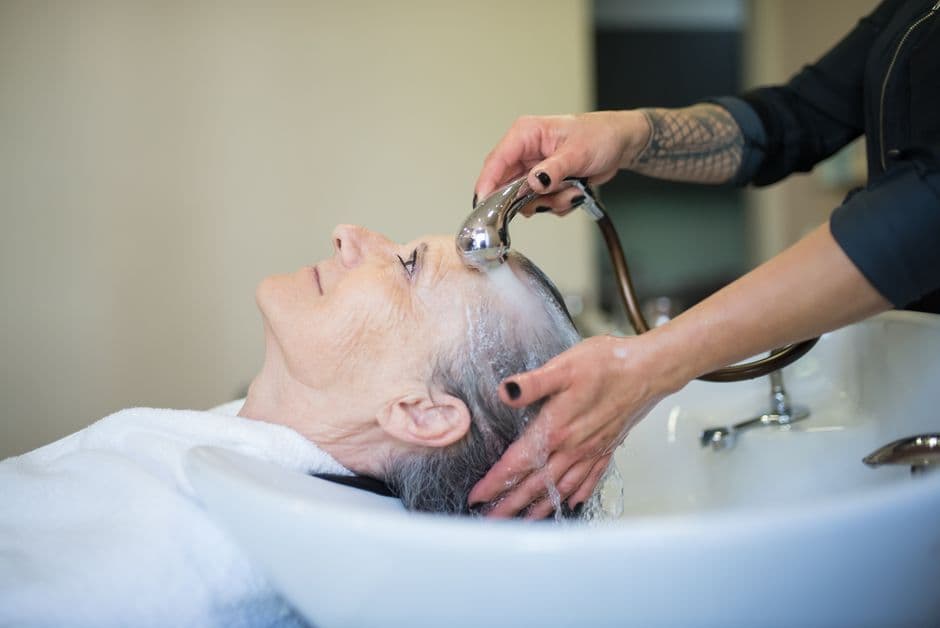
Photo by Kampus Production on Pexels
If you run a chair rental, a studio suite, or you are thinking about leaving a commission floor, the old advice was simple: hang a sign, keep the lights on, and wait for walk-ins. That advice is dead.
The data from early 2026 is clear. Online booking is now the majority channel for new salon appointments. Clients are stacking multiple services into single visits. And salons with membership programs are growing revenue at 4x the rate of those without. If your alternative setup ignores any of these three facts, you are starting behind.
This article is a practical look at what a salon alternative actually needs to compete in 2026. Not the theory. The specifics.
Why a Salon Alternative Is Not a New Concept
Let’s be clear about one thing first. Salon alternatives are not a new idea. Chair rental has existed for decades. Studio suites became a mainstream option in the last ten years. Booth rental is an established model that thousands of independent stylists use to keep a higher percentage of their income.
The shift in 2026 is not the business model. It’s the digital layer on top of it.
A booth renter in 2015 could get away with a phone number and a Facebook page. Clients would call, leave a voicemail, and wait for a callback. That workflow is now a liability. In early 2026, online booking is the majority channel for new appointments. That means more than half of your potential new clients will look for a booking button before they even consider calling.
The old walk-in model is fading for a simple reason: friction. Clients expect to see your full menu, your pricing, and your available slots before they ever set foot in your space. If they can’t find that information online, they move to the next stylist who has it.
This is not a trend. It’s the baseline now.
The Digital Floor: Booking, Profiles, and Convenience
Here is the hard truth about running a salon alternative in 2026. Your physical space matters, but your digital floor matters just as much.
Online booking is not a nice-to-have anymore. It’s the front door. When a client searches for a stylist in their area, they are looking for three things: availability, pricing, and the ability to book without a phone call. If your alternative setup lacks a proper online booking system, you are invisible to that majority channel.
Digital client profiles are the second baseline expectation. Clients no longer want to explain their hair history every time they sit in your chair. They expect you to remember their color formula, their preferred appointment length, and their allergies. A paper card system or your memory alone will not cut it. The expectation is that your system remembers so they don’t have to repeat themselves.
Communication speed is the third piece. Paper-based workflows are simply too slow for modern clients. If a client books online and needs to reschedule, they expect a confirmation within minutes, not a callback the next day. If you are relying on walk-ins and voicemail, you are asking clients to work harder than they want to.
The good news is that the tools to fix this are affordable. A proper booking system with client profiles is not a luxury expense anymore. It’s the cost of entry. If you are renting a chair or a suite, you can build this without owning a full salon. The software does the heavy lifting.
Stacking Services: The Combo Booking Trend
Combination bookings are growing. Clients are increasingly stacking two or more services into a single visit. They book a color plus a brow shaping. Or a manicure plus a blowout. The single-service appointment is no longer the default.
This changes everything about how you run your schedule.
First, pricing. A stacked appointment is worth more revenue per chair hour, but only if you price it correctly. You need a menu that makes combo bookings obvious and easy to select. If a client has to guess whether you offer color plus brow shaping in one slot, they will likely book elsewhere.
Second, scheduling. Multi-service slots require a different calendar structure. You cannot just block out 60 minutes for a color and hope the brow shaping fits in the gap. You need a system that handles the full duration of a stacked appointment without double-booking. This is where the right scheduling software matters more than the physical space itself.
Third, the physical layout. A studio suite or chair rental needs room for two services without cramping. If you are doing a manicure and a blowout in the same slot, you need a station that accommodates both. If you are doing color and brow shaping, you need a setup where the brow station does not interfere with the color processing.
This is a real operational change. It’s not just about adding services to your menu. It’s about designing your space and your calendar around the reality that clients want more from a single visit. If you are setting up a new suite, plan for this from day one. If you are renting a chair, check whether the salon’s booking system supports multi-service slots.
Memberships Beat Walk-Ins: The Revenue Data
This is the number that should make you sit down. Salons with membership programs grew revenue at 4x the rate of those without. Full-service salons grew membership sales 36% year over year in the same dataset.
That is not a small edge. That is a structural advantage.
Walk-ins are unpredictable. They come and go based on weather, mood, and local events. Memberships change that. A membership client has committed to a recurring spend. They are not deciding whether to book. They are deciding when to use the service they already paid for.
The cash flow benefit is obvious. Membership revenue arrives predictably, which means you can plan your expenses without guessing. It also reduces the churn that walk-ins and one-off bookings bring. A client who pays monthly is far less likely to disappear for six months and return with a different stylist.
For a salon alternative, memberships are especially powerful. You do not need a full salon front desk to run one. You need a simple recurring billing system and a clear value proposition. A membership could include a monthly blowout, a discount on color services, or a set number of brow shaping appointments. The structure is flexible. The commitment is the point.
If you are renting a chair, talk to the salon owner about whether they support memberships for independent renters. If the answer is no, that is a significant competitive disadvantage in 2026.
Rebooking Is a Trap Without Retention Systems
Here is a number that sounds counterintuitive but matters enormously. Among salon businesses where clients were rebooked once, 72% of those appointments were later cancelled.
Read that again. Rebooking once is not enough. In fact, a single rebooking without a retention system is almost a guaranteed cancellation.
The problem is commitment. A stylist says "see you in six weeks" and the client agrees. They leave the salon with every intention of returning. Then life happens. A reminder text is not enough. A simple confirmation is not enough. The slot gets cancelled.
This is where retention systems come in. Deposit policies are the simplest fix. Require a small deposit at the time of booking, and the cancellation rate drops dramatically. Prepayment works even better. If the client has already paid for the service, they will show up or reschedule rather than simply cancel.
Membership ties are the strongest solution. If the rebooking is part of a membership, the client is not just agreeing to a date. They are using a benefit they already paid for. The cancellation rate on those appointments is far lower because the cost of missing is real.
For a salon alternative, this is a critical operational decision. Independent stylists often skip deposits because they fear losing clients. The data suggests the opposite. A deposit policy signals professionalism and protects your calendar. Clients who respect your time are the ones worth keeping.
Wellness Is the New Add-On
The final shift is cultural. Clients no longer treat salon visits as maintenance. They treat them as self-care rituals. The appointment is not just about looking good. It’s about feeling good.
This is why salons are adding scalp health, relaxation, aromatherapy, and mindful beauty services. These are not gimmicks. They are responses to a client demand that has been building for years. A haircut is a service. A haircut with a scalp massage and aromatherapy is an experience.
A salon alternative can compete here without the overhead of a full spa. You do not need a massage room or a steam shower. You need to add small, high-margin extras to your existing services.
Scalp treatments are a perfect example. The products are relatively inexpensive. The service takes 10 to 15 minutes. But it transforms a standard appointment into a ritual. Aromatherapy is even simpler. A few essential oils and a diffuser can change the entire atmosphere of a studio suite.
The key is to make these extras visible in your online menu. If a client is booking online, they should see the wellness options clearly. This is part of the digital baseline we discussed earlier. The service only exists if the client can find and book it.
This is also a differentiation opportunity. A chair renter in a busy salon can offer wellness add-ons without asking permission. A studio suite owner can design the space around relaxation. The overhead is minimal. The perceived value is high.
The Bottom Line
Running a salon alternative in 2026 is not about finding a cheaper chair. It’s about building a digital-first, retention-driven business that happens to operate outside a traditional salon.
The data is clear. Online booking is the majority channel. Combo bookings are growing. Memberships outperform walk-ins by a factor of 4. Single rebookings fail 72% of the time without a retention system. Wellness is no longer optional.
None of this requires a full salon buildout. It requires the right software, the right pricing structure, and the willingness to treat your independent setup as a real business rather than a side gig.
If you are setting up a studio suite, start with the booking and payment infrastructure before you buy furniture. If you are renting a chair, check whether the salon’s systems support memberships and multi-service slots. If they do not, consider whether the rent is worth the handicap.
The tools exist. The data is public. The only question is whether you are willing to build the digital floor before you worry about the physical one.
If you are evaluating booking software for a suite or chair rental, take a look at our guide to salon suite booking software to see what features actually matter. And if you are losing time to calendar gaps, the Swiss cheese calendar problem article explains where the money leaks out.
Frequently Asked Questions
What is a salon alternative?
A salon alternative is any non-traditional setup for getting beauty services. Common options include chair rental, studio suites, coworking spaces for stylists, or hybrid models. They often cost less than a full salon and give more control to independent professionals.
Is a salon suite cheaper than a regular salon?
Usually yes. Salon suites and chair rental cut overhead like front desk staff and shared utilities. But you pay for that with less built-in client flow. You need your own booking system and marketing to fill appointments.
Do I need online booking for a salon alternative?
Yes. In early 2026, online booking is the majority channel for new salon appointments. Clients expect to book online, see your menu, and get confirmations digitally. Without it, you're invisible to most new clients.
How do memberships work in a salon alternative?
Memberships are recurring payment plans where clients pay a monthly fee for services or credits. Salons with memberships grew revenue at 4x the rate of those without. They build loyalty and reduce last-minute cancellations.
On Chairwarden
How to choose a booking app
The four questions worth asking before you sign up for anything — ours included.
Read the full page