Salon Pricing: What to Charge in 2026 Without Guessing
By Laz · August 26, 2026

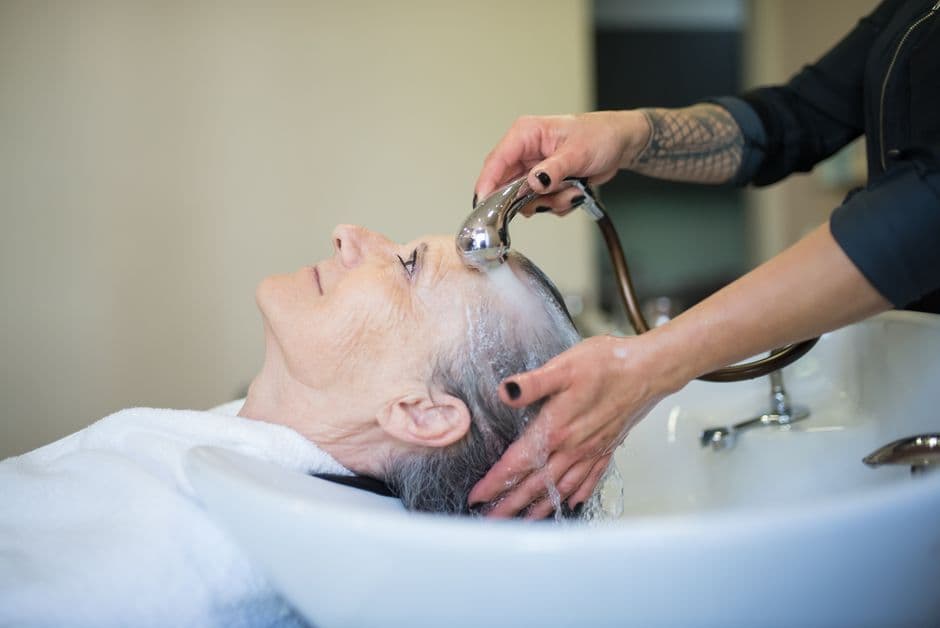
Photo by Ann H on Pexels
If you're a stylist or salon owner trying to figure out what to charge in 2026, the numbers flying around can feel chaotic. One report says a women's haircut is $45, another says $150, and a client just walked in with a photo of a $450 balayage she saw on Instagram. The gap isn't a glitch. It's the market sorting itself into clear tiers, and the stylists who understand that tiering are the ones keeping their chairs full without burning out.
Here's the short version: your price isn't what the client thinks it's worth. It's what your time, skill, and product actually cost to deliver, plus a margin that keeps you in business. The data for 2026 is pretty clear on where those numbers land, and it shows exactly how to build a price list that holds up.
The Real Numbers for 2026
Let's start with the basics. Women's haircuts are now commonly segmented by tier, not just service type. One 2026 industry pricing report puts the U.S. range at roughly $45–$95. Another guide splits it into a national low, mid, and high spread of $45 / $75 / $150+.[1][6] That's a wide range, but it tells you something important. The low tier is your new stylist or your quick appointment. The high tier is the senior stylist with a book full of regulars who trust them.
Color is climbing faster than cuts. Single-process color typically runs $75–$150 in 2026. Balayage and highlights often hit $120–$300+, and top-tier color work can reach $450+.[1][6][7] This is where the real revenue lives, and it's why so many salons push color as a service to grow into. The margin on a good color service beats a cut almost every time.
The biggest price gap in the industry is extensions. One 2026 guide lists them at $200–$1,000+. Another shows $500–$2,500 for professional installation, all-in.[1][13] Same broad category, wildly different price points. The difference is expertise, time, and aftercare. A client can buy clip-ins at a drugstore for $30. They can't get a seamless, natural-looking install that lasts months without a skilled stylist.
None of this spread is random. It reflects tiering by stylist experience, chair time, and local market demand. A downtown salon in a high-cost city charges more because its rent is higher and its clients expect a premium experience. A booth renter in a smaller town can't charge the same, but they also don't have the same overhead. Know your market, but don't use it as an excuse to underprice.
Price by Cost-to-Deliver, Not Intuition
If you're setting prices by gut feeling, you're leaving money on the table. A 2026 industry guide lays it out plainly: a service price should combine chair time cost per minute, plus exact product cost, plus your target net profit margin.[3] That's the formula. It removes the guesswork.
Start with your cost per minute. Divide your total operating costs by your available billable chair hours. If you rent a suite, that's your rent, product, insurance, and any tools or laundry. If you work at a commission salon, it's a bit different, but the principle holds. Once you know what a minute of your time costs, you can calculate what a 45-minute cut actually costs you to deliver.
Then add your product cost. Exact product cost, not a vague estimate. If you use half a tube of color that costs you $8, that's $8 on the service. Then add your target margin. The same guide recommends protecting a 25%–35% net margin on every service.[3] That's the range that keeps you sustainable.
If a service doesn't hit that margin, you have three options. Raise the price. Reduce the time it takes. Cut the product cost. Pick one, or a combination, but don't just eat the loss because you're afraid to charge more. A service that loses money is worse than no service at all.
Commission Structures and Add-Ons That Actually Move Revenue
For commission-based salons, the math gets trickier. Commission rates in 2026 are clustering around a narrow band. The most common range is 50%–54%.[5] Rates below 40% or above 55% are rare. If you're paying 50% commission, your service margin needs to be above that, or you're losing money on every chair.
Here's where add-ons become your friend. Bond and scalp treatments are listed at $30–$90 as add-ons in one 2026 pricing report.[1] They're high-margin because they don't add much chair time. A bond treatment takes five minutes to apply while the color processes. You're not blocking off an extra hour. You're just adding a line item to the same appointment.
The key is to offer add-ons as a menu, not a pitch. Put them on the checkout screen or mention them during the service. Let the client choose. Nobody likes being sold to, but everyone appreciates being offered a solution. A scalp treatment for a client with a dry scalp isn't an upsell. It's a service they need.
Review your commission structure against your margin. If you pay 50% and your service margin is 30%, you're operating at a loss. That's not sustainable, no matter how busy you are. The fix is to either raise your service prices, add more high-margin add-ons, or restructure the commission rate.
Premium Tiers and Positioning
High-end salons charge $1,000+ for extensions because they bundle expertise, time, and aftercare into that price. They're not selling hair. They're selling the result, the experience, and the guarantee that it'll look right. Clients pay for that certainty.
You can do the same thing on a smaller scale. Tier your pricing by stylist level, not just service. A senior stylist can command $150+ for a cut while a junior stylist stays at $45.[1][6] That's not arbitrary. The senior stylist has the book, the skill, and the reputation. The junior stylist is building theirs. Both are getting paid fairly for where they are.
Use your add-on menu to move clients up tiers. A $30 bond treatment turns a basic cut into a $75 service. A scalp treatment adds another $45. Before the client knows it, they're in a different price bracket, and they're happy about it because they feel like they got a better experience.
Don't underprice to compete. The data shows clients pay for specialization and consistency. If you're the stylist who always nails the same result, who runs on time, and who uses quality products, you don't need to be the cheapest. You need to be the most reliable.
This is where your booking system matters. If your calendar is a mess, you can't deliver consistency, and you'll be tempted to lower prices to fill gaps. A solid booking tool keeps your schedule tight and your clients happy. If you're a booth renter, that's especially critical, since empty chairs cost you real money every week. You might want to check how protected calendar blocks can keep your schedule full without overbooking.
The bottom line for 2026 is simple. Price your services by cost-to-deliver, protect a 25%–35% net margin, and tier your offerings by skill and experience. Use add-ons to boost revenue without adding chair time. And don't be afraid to charge what you're worth, because the market is already paying it.
If you're running a salon suite or a booth rental, your pricing and your calendar are two sides of the same coin. You can't charge premium prices if you're always scrambling to fill last-minute gaps. Tools that respect your time, like salon software that actually works with your workflow, make it easier to keep your schedule full and your prices where they should be.
The numbers are out there. The clients are ready to pay. The only question is whether your price list reflects the work you actually do.
Frequently Asked Questions
What is the average price for a women's haircut in 2026?
Most U.S. salons charge between $45 and $95 for a women's haircut. Low-end runs around $45, mid-tier around $75, and high-end $150 or more.
How much should I charge for balayage or highlights?
In 2026, balayage and highlights typically run $120 to $300, with premium salons charging $450 or more. The final price depends on stylist experience, length, and product cost.
What is a good commission rate for salon stylists?
Most commission-based salons pay between 50% and 54%. Rates below 40% or above 55% are rare, so aim for that middle band if you're setting a structure.
How do I calculate salon service pricing?
Use the cost-to-deliver method: add your cost per minute of chair time (total operating costs divided by billable hours) to the exact product cost, then add your target net profit margin. Protect a 25%-35% margin on each service.
On Chairwarden
How payments work
Your own Stripe account, direct charges, and the reason we take nothing from them.
Read the full page